

by Miriam G. Desacada
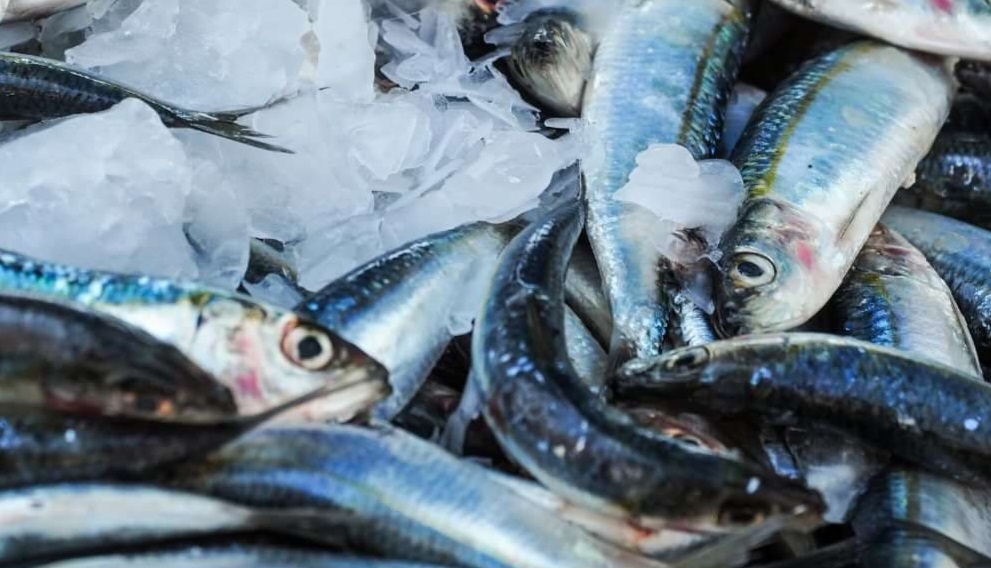
Tacloban City-‘Many cats and other animals, the exact number of which has yet to be confirmed, were reported to have died after eating tamban (sardinella fish), also known as hawol-hawol, which were suspected to be infected with red tide toxins that were found to have contaminated the waters around Samar island.
There was no laboratory confirmation yet if it was sardinella that have caused the death of the cats and other animals, particularly at Brgy. San Pascual in Sta. Rita, Samar.
Only the testimonies of residents there were the source of this report, so far. One of them, identified only as Alice, said that a m, saying that ambulant vendor, whose identity and place of origin they did not know, went around the barangay Saturday morning selling the tamban at P50 per kilo.
One peculiarity on the reported poisoning of the animals from infected tamban, was that the fish did not in any way affected the residents who were assumed to have eaten it also.
This prompted the Bureau of Fisheries and Aquatic Resources-Region 8 (BFAR-8) to coordinate with municipal agriculture offices of different local government units in Samar for further investigation and assistance in the collection of samples from the fish that alleged poisoned several animals.
BFAR-8 wanted to determine via laboratory tests if it was the tamban fish that have caused the death of the cats and other animals and to confirm if the fish were actually caught from the seas that were earlier found positive of red tide.
A day earlier, or before the reported deaths of cats, BFAR-8 issued a red tide advisory confirming the presence of red tide toxins in Cambatutay Bay in Tarangnan, Samar, based on lab tests conducted on July 10.
Earlier, BFAR-8 also found the presence of red tide at Irong-Irong Bay in Catbalogan City, at Matarinao Bay in General MacArthur, Quinapondan, Hernani, and Salcedo towns in Eastern Samar; and at the coastal waters of Guiuan, Eastern Samar.
BFAR-8 then warned the public to stop first the gathering, selling, and eating all types of shellfish and shrimps, crabs, and fish from these areas because these are unsafe for human consumption. They also urged the public to bury the tambans they already bought so that these will not be consumed by the cats and other animals.
BFAR-8 issued a statement reminding and advising the public to be mindful of the quality of the fish they buy from the market and from local fish peddlers. It listed characteristics of a spoiled fish to guide the public:
A spoiled fish has 1) dull, wrinkled, and sunken eyes with opaque corneas; 2) exhibits dull brown or gray gills with cloudy slime and sour, offensive odor; 3) has soft and flabby flesh that when pressed, the finger impressions remain; 4) has ruptured belly walls with protruding entrails and pinkish muscle tissue around the back part; and 5) smells stale, sour, putrid, and appears faded.
BFAR-8 said told the public that, if the fish you bought shows any of the mentioned signs of spoilage, do not buy or consume it, and feed it to domestic animals. —Miriam G. Desacada