

by Miriam G. Desacada
Tacloban City–Eleven major environmental bills for the declaration of protected areas around the country had been lobbied for approval at the Senate by Oceana, an international ocean conservation organization.
Oceana’s contention is that these legislative measures are needed to ensure the health and restoration of the country’s biodiversity and achieve the 30 x 30 biodiversity target, based on world standards.
Lawyer Gloria Estenzo Ramos, vice president of Oceana, emphasized the importance of public support for the bills, one of which is the Panaon Island Protected Seascape Bill.
“The passage of the bill declaring Panaon Island (in Southern Leyte) as a protected seascape is crucial for safeguarding our vastly threatened corals and marine ecosystems and requires management measures to address them,” she said.
It was learned that the Panaon bill is currently under consideration in the Senate, after being passed by the House of Representatives last November.
Oceana contended that this bill could bolster efforts to protect our marine resources while promoting ecologically friendly tourism in the island. By designating and enhancing protections for critical marine areas, this bill aims to improve the resilience of coral reefs and other vital marine ecosystems, Oceana said.
Ramos urged all Filipinos to support this vital legislation, including others of similar concept. “Your advocacy is essential to protecting our coral reefs and achieving the 30 x 30 targets, ensuring that our marine environments remain vibrant and healthy for current and future generations.”
Oceana has been prodding the Senate to make sure that conservation of these areas in various parts of the country are reinforced under Republic Act 11038 or the Expanded National Integrated Protected Areas System Act (e-NIPAS).
The 30 x 30 biodiversity target, part of the Kunming-Montreal Global Biodiversity Framework, ensures that at least 30 percent of terrestrial, inland water, and marine areas, especially those of particular importance for biodiversity and ecosystem functions and services, are effectively conserved and managed by year 2030.
Ramos emphasized: “This goal is vital for reversing the alarming global decline in biodiversity, and Oceana is actively working for marine habitat protection in the Philippines.”
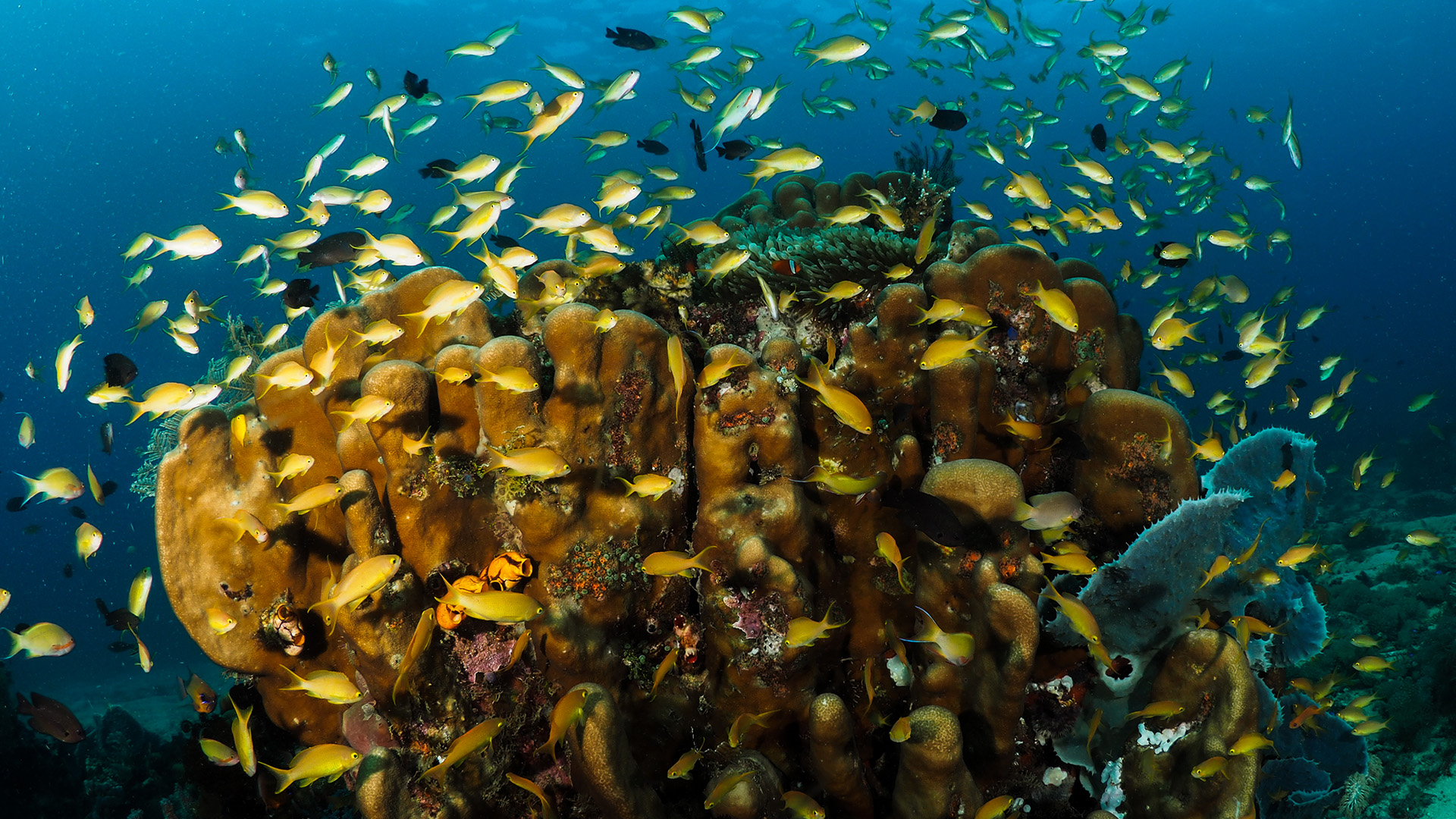
The Philippines is among the six countries located within the Coral Triangle, the global epicenter of marine biodiversity. This region is home to about 600 hard coral species and over 2,000 reef fishes. These are critical to maintaining marine biodiversity, sustaining local food systems and livelihoods, and protecting coasts.
However, these are constantly under threat due to environmental pressures and human activities such as pollution, destructive fishing activities, overfishing, reclamation projects and more recently, the infestation of Crown of Thorns Starfish (CoTS), and coral bleaching.
Senator Cynthia Villar, chair of the Senate committee on environment and natural resources, had committed to Oceana that she will act to advance this key environmental legislation.
“We are focused on moving forward with the 11 Protected Area Bills, which are integral to our conservation goals and addressing issues like overfishing, illegal fishing, and unsustainable coastal development. Effective legislation is key to preserving our marine and terrestrial environments,” said the female senator.
Oceana’s efforts and the support of lawmakers like Senator Villar and government agencies are crucial for meeting the 30 x 30 targets and tackling the biodiversity crisis. The organization continues to work with fisherfolk and coastal communities, civil society, and policymakers to promote effective conservation measures and protect the Philippines’ invaluable marine resources. —-Miriam G. Desacada