

By Miriam G. Desacada
Tacloban City–Following the official recognition of the entire Bohol island as the Philippine’s first UNESCO Global Geopark due to its “unique geological treasures,” Northern Samar is eyeing for the same international declaration of its own geological wonder: the Biri Rock Formations at Biri Island, also a town off the province mainland.
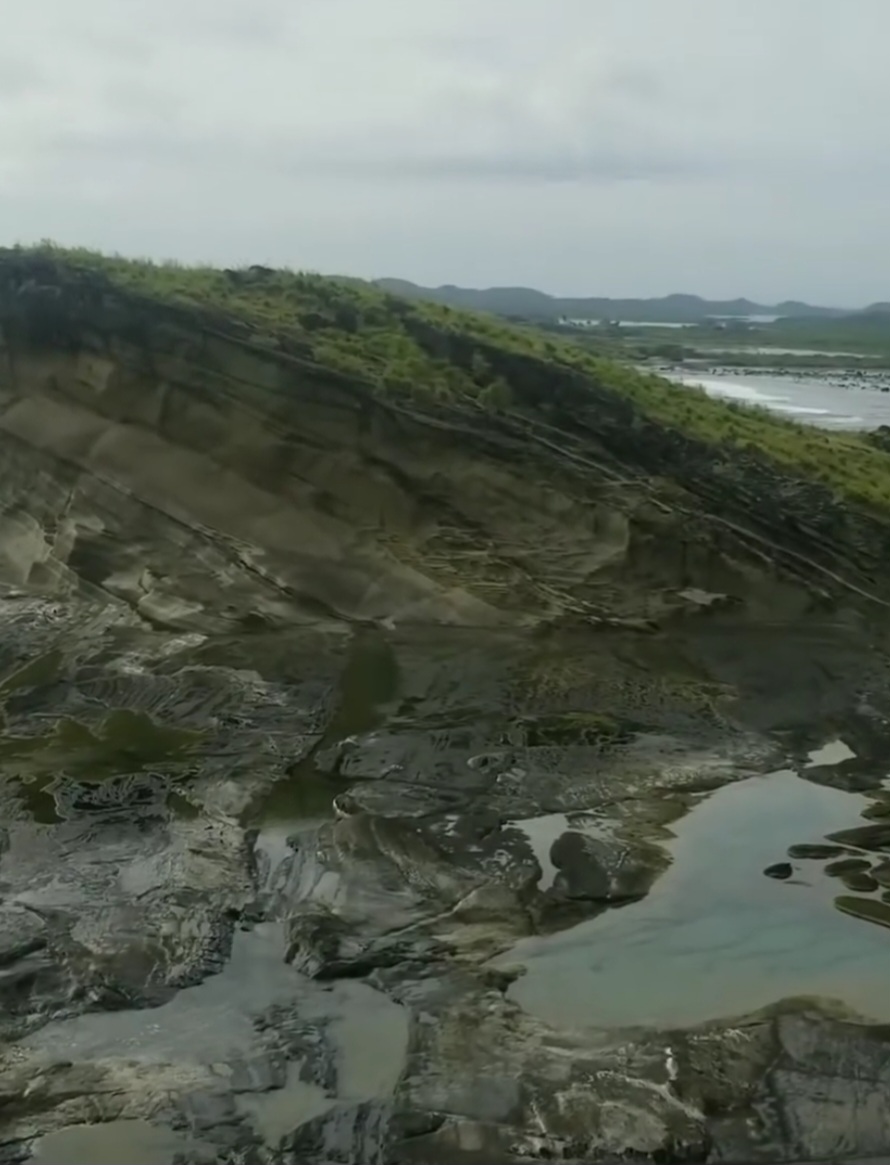
The Biri Island rock formation is composed of various rocky islands located in that perilous area where the San Bernardino Strait meets the Pacific Ocean. The rock formations take on a distinct, incredibly gorgeous and interesting shapes, which geologists believed were formed millions of years ago, and their ages range from five to 23 million years old.
UNESCO Secretary-General Ivan Anthony Henares, led a panel of historians, and geological experts to visit Northern Samar and see for themselves the Biri Rock Formations, for an initial assessment to put the unique place under Global Geopark status of UNESCO.
Henares, who has the expertise and commitment to preserving the Philippines’ natural heritage, was accompanied by other notable personalities: Jeremy Barns, director-general of the National Museum of the Philippines; lawyer Cecil Tirol, director for Visayas-National Museums; Leonie-Lou Jizmundo and Mark Timothy Apura, conservators from the National Historical Commission of the Philippines; and renowned historians and book authors, UP Professor Dr. Rolando O. Borrinaga and Ian Christopher B. Alfonso.
Others with the team were Poland Ambassador to the Philippines Jaroslaw Szczepankiewicz, and Jermaine Bohol, political-economic expert from the Embassy of Poland in Manila.
The local officials who accompanied the visitors were Provincial Board Member Dexter Galit, Provincial Board Secretary Bernard Balanquit, Culture and the Arts coordinator Carl Sanchez Bordeos and Biri town Mayor Amelita delos Reyes.
The distinguished visitors commented that the Biri Rock Formations has potential to be a UNESCO Global Geopark, besides being a national treasure that warrants international attention and preservation.
The Biri Rock Formations are comprised of seven colossal rock formations named Magasang, Magsapad, Macadlaw, Puhunan, Bel-at, Caranas, and Pinanahawan. Geologists said these formations are the result of centuries of natural processes, including tectonic movements, wave actions, and weathering, providing a narrative of Earth’s geological history.
They said the intricate patterns and imposing structures of these rocks have fascinated geologists and tourists alike. The formations exhibit a variety of sedimentary and volcanic features, making them a valuable resource for scientific study and a captivating destination for eco-tourism.
Achieving UNESCO Global Geopark status is no small feat. Besides showcasing its geological significance, the site must be capable for sustainable tourism, education, and community involvement. The Biri Rock Formations have already shown great potential in these areas, attracting numerous visitors from other places through the years, drawing hoteliers and investors to nearby areas, while fostering a sense of pride among the local community.
Henares and his team meticulously assessed these aspects during their visit. As the UNESCO evaluation unfolds, the world watches in anticipation, hopeful that these geological wonders will soon join the ranks of the world’s most cherished and protected natural sites. The convergence of international and national experts in Biri is a promising step towards this goal, highlighting the universal value of these ancient formations.