

by Miriam G. Desacada
Tacloban City–Due to the alarming surge of dengue cases, the Provincial Board of Samar had approved a resolution declaring a state of calamity the entire province of Samar, the seventh local government unit to be put in such status in Eastern Visayas, or Region 8.
Other LGUs in the region earlier placed under state of calamity were Ormoc City in Leyte; Catbalogan City, and the towns of Paranas and Gandara, all in Samar; Maasin City in Southern Leyte, and recently Calbayog City, also of Samar.
The declaration (Resolution 17-906-24), approved en masse by PB members, was based on the latest statistics of the Department of Health-Eastern Visayas, and followed the recommendations of the Provincial Disaster and Risk Reduction Management Council.
The Provincial Health Office itself disclosed that the number of dengue cases, based on the DOH-8 Surveillance Report for Morbidity Week 32 (August 4-10), reached 2,230 cases, with one fatality, spread in 64 barangays.
The day before, the Calbayog City Council approved a resolution declaring the city LGU under a state of calamity after an endorsement of the local health board following a special meeting with Mayor Raymund Uy in response to the recommendation of the DOH-8.
The Calbayog City Health Office showed that the city logged 422 dengue cases (Jan. 1-Aug. 17), which is five times higher than the 83 cases recorded in the same period last year.
Statistics further showed that the number included two dengue-related deaths. Also, at least 57 out of 157 barangays, 20 of these are within the city proper, were hit by dengue.
The DOH-8, through its Center for Health Development, reported lately that the region recorded a total of 8,601 cases (from Jan. 1-August 17) including 20 deaths.
“This is 236 percent higher than the 2,559 cases, with 9 deaths, recorded in the same period last year,” said the DOH-8 in a statement.
In this year’s statistics, Leyte province recorded the highest number of cases with 2,737 (with 3 deaths), which comprised 32 percent of the 8,801 total cases (20 deaths) in the region.
This was followed by Samar with 2,230 (11 deaths); Southern Leyte with 1,257 (0 death); Eastern Samar with 735 (3 deaths); Northern Samar with 416 (2 deaths); Biliran with 176; Ormoc City with 637 (1 death); and Tacloban City with 413.
Of these number, the latest Dengue Bulletin of the DOH-EVCHD showed that most of the dengue victims (including fatalities) are male, aged one to 10.
“With this situation, we are calling on the public and all LGUs to implement measures that would prevent further rise in cases and deaths due to dengue,” the DOH-8 said.
The regional health agency had been urging hospitals to reactivate fast lanes to serve suspected dengue patients with prompt diagnosis and treatment.
The public has reminded the public to observe the 5S in dengue prevention such as: search and destroy of mosquito breeding places; self-protection measures like the use of mosquito repellant lotions; seeking early consultation upon experiencing symptoms; supporting fogging; and sustaining hydration.
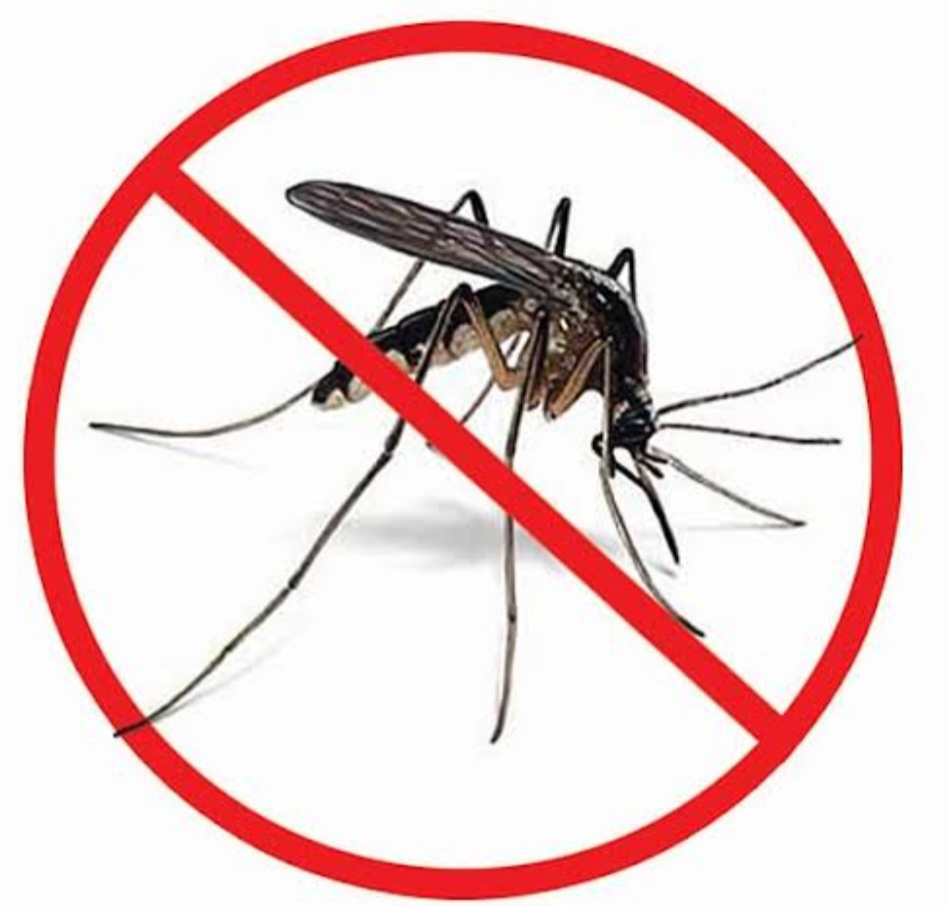
The DOH said dengue virus is transmitted by day-biting mosquitoes (Aedes aegypti and Aedes albopictus), which lay eggs in clear and stagnant water found in flower vases, cans, rain barrels, and old rubber tires, among others. The adult mosquitoes rest in dark places of the house.
Among the warning signs of dengue are abdominal pain, bleeding, frequent vomiting, lethargy, or restlessness, and health authorities encourage those who experience there to immediately seek medical consultation.
Dengue fever is marked by the onset of a sudden high fever (lasting from 2 to 7 days), a severe headache, and pain behind the eyes, muscles, and joints. Others develop rashes and varying degrees of bleeding in different parts of the body. —Miriam G. Desacada